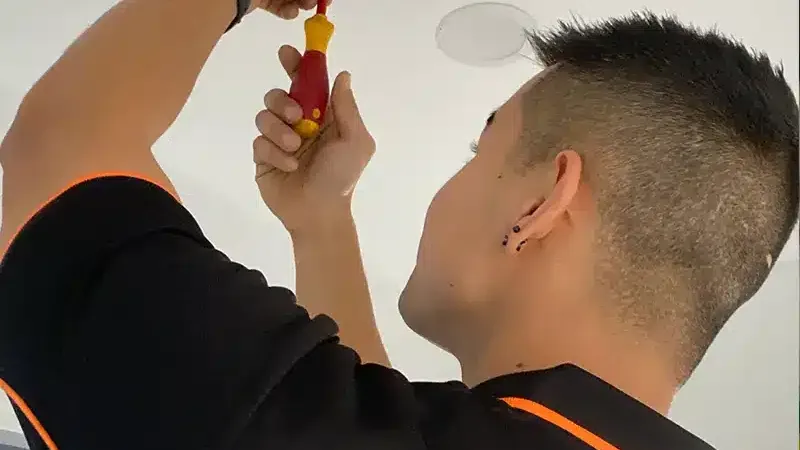
Some do, and it comes down to when the home was approved. In NSW, new homes built under the National Construction Code need mains-powered smoke alarms, interconnected wherever there's more than one, a rule the national code added on 1 May 2014. Existing NSW homes only need working AS 3786 alarms on every storey and in bedroom hallways, so interconnected smoke alarms there are a strong recommendation, not a legal requirement.
Powerhub Electrical Revesby is a licensed electrical business serving homes across Revesby and nearby suburbs. The suburb has a bigger share of rented homes and townhouses than NSW overall, so landlord and strata rules matter here as much as the rules for owner-occupiers. This guide covers what NSW law requires, the hardwired vs wireless choice, and landlord duties.
Interconnected Smoke Alarms and Fire Spread
Research by Fire and Rescue NSW found fires in modern homes spread in under 5 minutes, against around 29 minutes in homes built between 1950 and 1970. Every minute of warning now counts.
The same FRNSW research findings put the number of alarms, their location and their interconnection ahead of sensor technology. Photoelectric and ionisation alarms both meet the Australian Standard AS 3786, and no single type performed better in every situation. Interconnection means one alarm sounding sets off the rest, and FRNSW notes alarms can be linked by wires in the ceiling space or wirelessly.
That finding cuts through most online debate about which sensor to buy. A photoelectric smoke alarm isn't automatically the safer pick if it sits in the wrong spot or can't be heard from the bedrooms.
So get the count, placement and linking right first. Fire and Rescue NSW's smoke alarm buyers guide goes a step further, recommending hardwired, interconnected alarms wherever possible.
Placement is also where NSW law begins for an existing house.
Smoke Alarm Requirements for Existing NSW Homes
Why does so much smoke alarm advice online contradict itself? A lot of it quotes Queensland law. An existing NSW house follows a shorter list of state rules:
- Location (s 95): the NSW fire safety regulation (2021) requires owners of houses (class 1a) to have alarms on or near the ceiling in each hallway or corridor serving bedrooms. Another must go on any storey without a bedroom.
- Alarm type (s 99): each alarm must work and comply with AS 3786, a standard that covers both photoelectric and ionisation alarms. Mains or 10-year battery power is only mandated for class 1b, 3 and 9a buildings, not houses.
- Interconnection: the regulation contains no clause requiring an existing house's alarms to be linked together.
- Tampering (s 100): removing or interfering with an alarm in a building where people sleep, without reasonable excuse, is an offence with a maximum of 20 penalty units.
- Consent (s 101): installing a smoke alarm needs neither development consent nor owners corporation consent, which helps townhouse owners.
Rentals carry extra duties on top of this minimum. Under NSW rental rules, landlords must use a licensed electrician for any hardwired alarm repair or replacement, check alarms every year and replace them within 10 years of manufacture.
Interconnected Smoke Alarm Rules for New Homes
One date tells you which rules applied to your home: the date its building work was approved. Newer approvals under the national code carry stricter alarm requirements than an older house does.
The National Construction Code Part 9.5 requires alarms in new homes to be powered from the mains where a mains supply is connected. They must also be interconnected where there's more than one alarm. Its NSW note limits interconnection to a single dwelling, so alarms in one townhouse don't have to link to the home next door.
Interconnection entered the national code on 1 May 2014, after the Australian Building Codes Board agreed to the change in November 2013. That's a national date, not a promise about every home built in NSW since then. Check the approval paperwork rather than guessing from the year the house went up.
An older Revesby house with two standalone alarms in the right places can meet the existing-home minimum covered above. It still falls well short of what a new build must have, which is where the wiring choice comes in.
Hardwired vs Wireless Interconnected Smoke Alarms
A battery alarm sounding in a back bedroom is little use if nobody hears it from the living room with the TV on. Linking alarms closes that gap, and there are two ways to do it.
Hardwired, interconnected alarms are FRNSW's first choice, as covered above. Where alarms can't be hardwired, the FRNSW buyers guide recommends alarms running on 10-year lithium batteries instead. Wireless interconnected smoke alarms built that way still link every alarm in an existing house, with no new cable through the ceiling.
Hardwired alarms are connected to the home's mains wiring, and NSW rental law is explicit about who works on them. The NSW Government requires landlords to use a licensed electrician to repair or replace a hardwired alarm in a rental. Our smoke alarm installation service covers new hardwired and interconnected systems, while damaged wiring to an existing alarm falls under general electrical repairs.
Wireless suits a house where running cable through a finished ceiling is impractical. On a new build or major extension, confirm with your certifier how the alarms must be powered before choosing a system. An existing home is different, as FRNSW's research page notes you don't have to replace a current alarm and that the legislation sets a minimum level of protection.
Smoke Alarm Duties for Revesby Rentals and Townhouses
Who handles smoke alarms in a Revesby rental, the landlord or the tenant? The state's rental rules answer that plainly, and they set out a specific list of landlord duties:
- Responsibility: the landlord carries the job, and NSW rental rules stop it being handed to the tenant in the lease
- Repairs: fix a faulty alarm within 2 business days
- Yearly checks: confirm every alarm is working once a year
- Batteries: replace removable batteries every year
- Replacement: fit a new alarm within 10 years of manufacture, or sooner if the manufacturer says so
- Hardwired alarms: use a licensed electrician to repair or replace them
Those duties reach a large slice of local housing, with 2021 Census QuickStats showing 35.9% of Revesby homes rented against 32.6% across NSW. The same figures put semi-detached, row and terrace houses and townhouses at 29.7% of local dwellings, compared with 11.7% statewide. Bigger homes are common too, with 39.3% having four or more bedrooms against 33.9% for NSW, which can mean more bedroom hallways to cover.
For townhouse owners, the no-consent rule covered earlier means alarms can go in without waiting on owners corporation approval.
When a hardwired alarm in a rental fails, our licensed team can repair or replace it. It's also a sensible moment to have the home's safety switches tested while an electrician is on site.
Free Fire Safety Visits Near Revesby
Revesby households can book a free Fire Safety Visit. The City of Canterbury Bankstown sends residents to the Fire and Rescue NSW website or the Revesby fire station to book, as council doesn't run them.
That makes the visit a no-cost way to get your existing alarms looked at before you spend anything on an upgrade. It's a sensible first call if you've just moved in and aren't sure what the previous occupants left behind.
Treat it as a starting point rather than the upgrade itself, because any new hardwired work is a separate job. From there, the rules and the free help point to a few clear decisions.
Conclusion
Whether your alarms must be linked comes down to the rules in force when the home was approved. New homes under the national code need mains-powered alarms that trigger one another wherever there's more than one. An existing Revesby house meets NSW law with working alarms built to the Australian Standard on each storey and in bedroom hallways.
Sensor type is the smaller decision, because FRNSW's research ranks the number of alarms, where they sit and whether they're linked as the factors that count. Its buyers guide favours hardwired, interconnected alarms, with long-life lithium units as the fallback.
Landlords carry the heaviest load. Hardwired repairs and replacements go to a licensed electrician, every alarm needs a yearly check, and each one is swapped out within a decade of manufacture.
Areas We Service
Smoke alarm upgrades and repairs are available across Revesby and the surrounding suburbs of Padstow Heights, Panania, Condell Park, East Hills, Milperra and Picnic Point. Whether it's a freestanding house, a townhouse or a rental, the right alarm setup depends on the property's layout, age and existing wiring rather than its postcode.
Book Smoke Alarm Installation in Revesby
If your home still relies on standalone alarms, or a hardwired unit is due for replacement, call Powerhub Electrical Revesby on 0400 332 331 to plan an interconnected upgrade. When you book, you get access to these current offers and credentials:
- $50 off your first service (new customers)
- 15% pensioner discount
- Free 5-star electrical safety inspection with every booking
- Fixed, obligation-free quotes before work starts
- Electrical Supervisor Licence #467291C
Frequently Asked Questions About Interconnected Smoke Alarms
These answers cover common questions about interconnected smoke alarms, hardwiring, landlord duties and free fire safety checks for Revesby homes under NSW rules:
Are interconnected smoke alarms required in NSW?
Only in new homes built under the National Construction Code, where alarms must be interconnected if there's more than one. Existing NSW houses have no interconnection rule, though Fire and Rescue NSW recommends it.
Do smoke alarms have to be hardwired in NSW?
New homes need mains-powered alarms wherever a mains supply is connected. Existing houses have no power-type rule, so working AS 3786 battery alarms in the required locations meet the legal minimum.
Do I need an electrician to replace a hardwired smoke alarm?
Yes. Fire and Rescue NSW says hardwired smoke alarms must be installed by a licensed electrician. The electrician then lodges a Certificate of Compliance for Electrical Work within 7 days of finishing the job.
Can wireless interconnected smoke alarms be used instead of hardwired ones?
In an existing NSW house, yes. Fire and Rescue NSW recognises wireless interconnection and recommends 10-year lithium alarms where hardwiring isn't possible, but check a new build's power requirements with your certifier.
What are a landlord's smoke alarm obligations in NSW?
Landlords must check alarms yearly, repair faulty ones within 2 business days and replace each alarm within 10 years of manufacture. A licensed electrician, never the tenant, handles hardwired alarm repairs and replacements.
Can I get a free smoke alarm check in Revesby?
Yes, Fire and Rescue NSW runs free Home Safety Visits, and firefighters install a long-life battery alarm at no cost if your home has none. Landlords of untenanted premises can't use the service.